
My vintage silver necklace from Taxco, Mexico

Everyone has asked me about the necklace I’m wearing in this photograph. So, here goes.
I have a small collection of vintage Mexican silver from Taxco, and this necklace is one of those pieces. It’s an original William Spratling collar from Taxco, Mexico, a place Spratling really put on the map. In fact, he’s known as ‘the father of Mexican silver’.
Taxco was a silver mining town south of Mexico City, and Spratling set up shop there in an old hacienda sometime in the thirties and began to work with local artisans. He became very, very famous, as did Taxco. My parents even went there on their honeymoon in the forties.
At that time, Mexico was an artistic hotbed with all the famous Mexican modernist painters, and drew a number of American artists across the border because of that. (It still is, and American artists are still going there. A friend of mine’s son said Mexico City is now known as the Capital of cool.) Well, Spratling was no exception. He travelled to Mexico first in the late twenties, fell in love with it, and by 1931 had moved there.
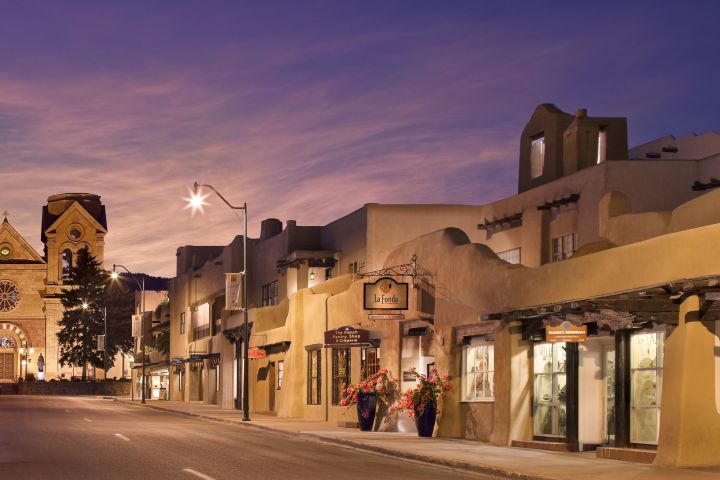
All of the Mexico silver I have comes from Mexico, with the exception of this necklace. I bought it at a lovely little shop in Santa Fe’s La Fonda hotel called Things Finer, a store that seeks out rare Mexican silver to sell. I was passing by the gorgeous window displays on my way to the rooftop Bell Tower bar to meet a friend when I spotted this necklace in the window and stopped in my tracks. Let’s just say it was a lucky day to have a margarita and watch the beautiful New Mexico sunset.